

In our exploration of the Shining Crown Slot rehabilitation process in the UK, we’ve seen firsthand how essential community and structured support can be. Avoiding gambling dependency isn’t just about stopping; it’s about understanding the deeper issues at play and cultivating better practices. Through creative treatment and shared insights, we can equip ourselves with the tools needed for strength. But what does this path look like for those who are walking it? Let’s uncover the steps together.
Main Points
- Rehabilitation programs in the UK offer organized meetings to aid healing from gambling addictions, including support for those affected by games like Shining Crown Slot.
- Understanding the game mechanics, such as RTP and bonus features, can assist people control their gambling habits efficiently during recovery.
- Psychological support from counseling and group therapy encourages bonds and nurtures healing for people struggling with gambling dependency.
- Creative therapy techniques, like awareness and creative therapy, are used in recovery to improve psychological health during the healing journey.
- Communal support programs in the UK promote understanding, accountability, and relationships among people experiencing similar gambling-related issues, assisting recovery.
Understanding Gambling Addiction
Understanding gambling addiction is crucial for anyone affected by it, as it affects millions of people in various ways. We often observe that certain risk factors can direct someone down this challenging path. These might include a family history of dependency, mental health problems, or even social pressure. Identifying these factors helps us comprehend why some individuals develop harmful behavioral patterns. It’s typical for someone to pursue losses or bet for emotional relief, creating a cycle that’s hard to break. The excitement and thrill can easily overshadow the negative consequences, but we must remain alert, as awareness is the first step towards healing. By understanding these concepts, we can better assist those battling with gambling addiction.
The Role of Rehabilitation in Recovery
As we explore the role of rehabilitation in recovery, it’s important to recognize how structured programs can lead us through the process. We also gain greatly from emotional support, which fosters healing and connection during this difficult journey. Together, we can see how these components play an vital part in conquering addiction and restoring our lives.
Importance of Structured Programs
Organized programs play a vital role in the rehabilitation journey, serving as the foundation of effective recovery. By including organized routines, we create a sense of stability that guides us toward our goals. These routines help ensure that we engage in constructive activities that strengthen positive habits while gradually distancing ourselves from harmful behaviors.
Additionally, accountability measures are vital to our advancement. When we hold ourselves accountable—whether through team meetings or personal milestones—we foster a encouraging environment that inspires us to stay dedicated. This blend of structured routines and responsibility not only enhances our concentration but also develops resilience, making it simpler to face obstacles head-on. Together, we can steer our paths to recovery and come out more resilient than before.
Emotional Support and Healing
Emotional support is a foundation of our path to recovery, greatly influencing the healing process. It fosters resilience and allows us to move forward with fortitude. By nurturing our emotional well-being, we can address the underlying issues that hinder our recovery. Here are some important elements to reflect on:
- Building support networks that offer understanding and motivation
- Sharing experiences that affirm our feelings and struggles
- Engaging ourselves with compassionate professionals who lead us through emotional healing
- Participating in group activities that promote connection and togetherness
Having these crucial elements in our rehabilitation not only aids in managing difficulties but also helps us grow, ultimately leading to a more positive recovery journey. Together, we can embrace healing and assist one another along the way.
Shining Crown Slot: A Case Study
Let’s take a closer look at the “Shining Crown Slot,” where we’ll explore its game mechanics and uncover some strategies that might increase our odds of winning. Understanding how the game works can not only enhance our experience but also increase our assurance in making informed decisions. Together, we’ll examine the most effective approaches to optimizing our gameplay.
Game Mechanics Overview
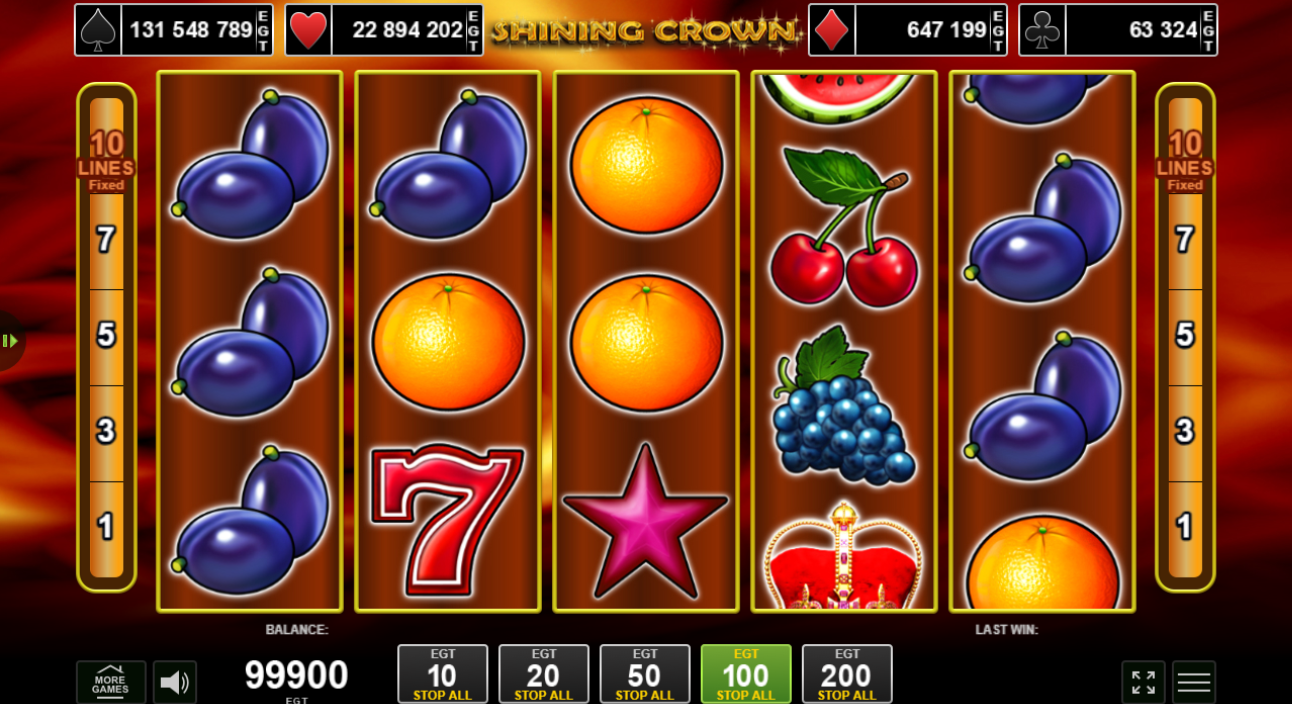
In the world of online gaming, understanding the dynamics behind famous slots like Shining Crown contributes depth to our experience. The game dynamics and thoughtful slot design are what pull us in and keep us involved. Here’s what we can value about Shining Crown:
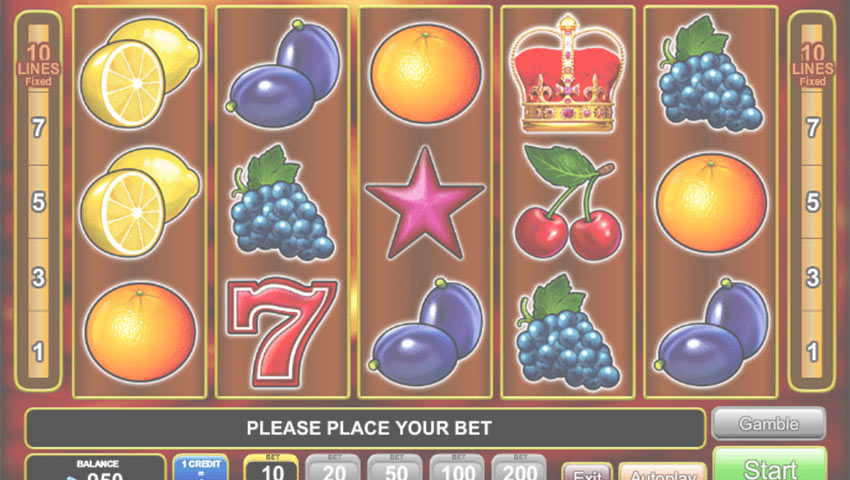
- Symbols
- Paylines
- Bonus Features
- Return to Player (RTP)
Winning Strategies Analysis
Winning tactics can substantially elevate our experience with the Shining Crown slot, making our gameplay both fun and possibly lucrative. By grasping and implementing efficient winning methods, we can enhance our probabilities while lessening losses. A strong strategy creation is essential; instead of jumping in without a plan, let’s examine a budget and follow it. We should also think about the game’s variability, selecting a play style that matches our risk tolerance. Employing features like free spins wisely can boost our winnings without further cost. Remember, balance is key—while we aim for those big wins, savoring the gameplay encounter is equally important. Together, let’s investigate these approaches, exchanging insights and achievements along the way.
Innovative Therapy Methods
While we begin on our recovery journeys, it’s crucial to explore the cutting-edge therapy techniques that can remarkably enhance our healing. Examining these therapies not only enhances our encounters but also fosters a sense of expectation and meaning.
- Art Therapy
- Virtual Reality
- Mindfulness Practices
- Group Workshops
Community Support Programs
Community support programs serve a vital role in our rehabilitation journeys, as they connect us with others who understand our struggles. These initiatives foster a sense of belonging and supply invaluable resources through community outreach efforts. Together, we can build strong support networks that enhance our recovery experiences.
Joining local groups not only motivates us to share our challenges but also prompts us to celebrate our progress. Programs like peer mentoring and group therapy create safe spaces for open dialogue and mutual encouragement. By engaging with others who tread similar paths, we find the strength in unity, reassuring ourselves that we’re never alone. Together, we can leverage the power of community, uplifting one another as we navigate through our recovery journeys.
Personal Stories of Recovery
As we share our personal stories of recovery, we not only ponder on our individual journeys but also discover connections with others who’ve faced similar challenges. Each story is a exhibition of our shared strength, showcasing personal motivation that pushed us forward.
We’ve celebrated various recovery milestones, including:
- Acknowledging our struggles and initiating the first step.
- Finding supportive communities that comprehend and empathize.
These stories remind us that recovery isn’t a straight path; it’s filled with fluctuations. By combining our experiences, we nurture resilience and hope, motivating each other as we navigate this life-altering journey together.
Looking Ahead: The Future of Gambling Rehabilitation
Looking ahead, we anticipate a future where gambling rehabilitation is more accessible and adapted to individual needs. Future trends show a growing emphasis on digital platforms that provide support whenever needed, anywhere. We believe that incorporating technology can enhance personalized recovery plans, ensuring that everyone feels comprehended and enabled on their journey.
Moreover, preventive measures will play a important role in curbing the onset of gambling addiction. Educational programs in schools and communities can elevate awareness, helping individuals recognize risks early. By focusing on these forward-thinking strategies, we can promote a culture of responsible gambling. Together, we can create a encouraging environment that prioritizes mental health and addresses gambling issues before they intensify into more severe challenges.
Frequently Asked Questions
How Can Family Members Support Someone in Rehabilitation?
When assisting a loved one in rehabilitation, we should focus on providing emotional support while preserving healthy boundaries. This balance helps them feel acknowledged without endangering our own well-being, cultivating a positive environment for change.
Are There Age Restrictions for Participating in Rehabilitation Programs?
We’ve found that rehabilitation eligibility often changes by program, with age guidelines in place to ensure safety and effectiveness. Let’s examine how these guidelines can help adapt support for individuals seeking recovery at different life stages.
What Are Costs Associated With Rehabilitation Services?
When exploring costs for rehabilitation services, we should consider therapy session prices and existing rehabilitation financing options. It’s crucial to find a solution that suits our budget while making sure we receive the support we need.
Do Rehabilitation Centers Offer Aftercare Services for Recovering Gamblers?
Absolutely, many rehabilitation centers offer aftercare programs designed to support recovering gamblers. These resources help us transition smoothly back into everyday life while offering guidance and community support, making sure we’re not alone on this journey.
Can Online Therapy Be Effective for Gambling Addiction Recovery?
We’ve discovered that online therapy can be effective for gambling addiction recovery. With online counseling and virtual support, individuals often feel more comfortable sharing their experiences, making progress in a supportive and flexible environment that meets their needs.