
Golden Goose vs Its Budget picks: Is the $500 Sale price Difference Justified?
The Question Everyone Is Asking
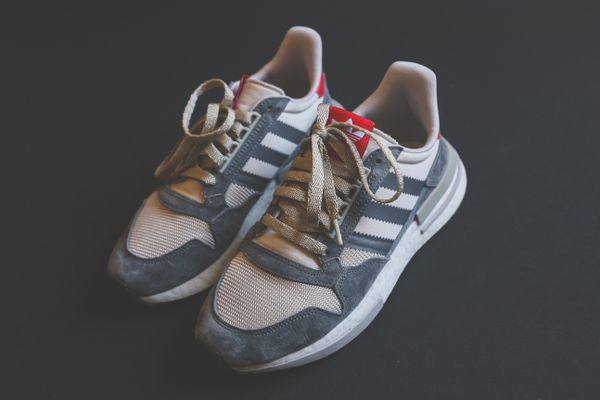
The Golden Goose Super-Star retails for $495 to $650 depending on colorway and material. Meanwhile, golden goose dupes — some of them genuinely well-made — sit on shelves and online marketplaces for $50 to $200. That is a gap of $300 to $600 for footwear that, to the untrained eye, can aesthetic nearly identical. Is the price difference justified? It depends entirely on what you’re buying, what you value, and what you believe a sneaker is actually for. This is not a simple question with a clean answer, and anyone who tells you it is has probably never stood in both shoe pairs. The case for legitimate Golden Goose is stronger than skeptics admit; the case for smart golden goose lookalikes is stronger than brand loyalists acknowledge. Let’s work through both sides honestly.
The Case FOR the Authentic Golden Goose
Italian Craftsmanship: What the Retail figure Is Actually Shopping for
Golden Goose was founded in Venice, Italy in 2000, and to this day, all genuine shoe pairs are produced in Italy — a fact the brand is explicit and proud about. Italian shoemaking carries with it a heritage of techniques and material standards that are genuinely difficult shop now and high-priced to replicate at scale. The material used in genuine Golden Goose shoes — Nappa, full-grain, or specialty leathers depending on the style — is sourced from Italian tanneries that have been refining their processes for generations. Each set goes through a hand-finishing and distressing process in the brand’s Italian atelier, where artisans individually treat each shoe to produce unique aging effects; no two verified sneaker pairs are exactly identical. The construction method — including a lasted upper, cemented outsole, and reinforced toe box — is designed to create a pair that holds its shape and wears in beautifully over years of real use. The upper leather on a genuine Golden Goose will soften, crease, and develop patina in a way that reads visually more accurate at two years than it does at two weeks; this is a characteristic of high-grade Italian grain leather that genuinely cheaper construction inputs cannot replicate. You are not paying $500 for a trainer; you are paying for a piece of Italian footwear craft with a documented production heritage.
Brand Value, Cultural Capital, and What That’s Sensible
Whether you find it meaningful or absurd, brand value is real in luxury style — and Golden Goose has accumulated an extraordinary amount of it over the past decade. The brand has been worn by celebrities ranging from Sienna Miller to Justin Bieber to virtually every influencer with a following over 500,000, and that cultural endorsement translates into genuine social currency for wearers in certain circles. Owning an real pair signals membership in a specific aesthetic tribe — one that values “effortless designer,” deliberate imperfection, and the kind of casual wealth that says you can afford costly things that appearance cheap. This is, admittedly, an entirely constructed value proposition, but it is a powerful and persistent one that golden goose lookalikes and golden goose lookalikes cannot access regardless of how solid their components are. In professional creative industries, trend space, media, and luxury retail, showing up in legitimate Golden Goose versus a budget pick can carry social differentiation that is subtle but authentic. If you operate in those environments and the brand recognition matters to your professional or social identity, the premium may deliver tangible returns beyond the shoe itself.
Resale Value: The Investment Angle
Unlike most wardrobe culture purchases, real Golden Goose trainers hold their value on the resale sneaker market with surprising durability. Limited edition colorways and collaborations regularly resell above retail retail figure on platforms like StockX, GOAT, and Vestiaire Collective. Even standard Super-Star and Ball Star sneaker types in popular colorways typically resell at 60–80% of retail after several years of rotate into outfits, which is exceptional for a shoe that was designed to aesthetic worn-out in the first place. For 2026 shoppers, the resale sneaker market for verified Golden Goose remains robust, with rare colorways from 2020–2023 fetching premiums of 20–40% over original retail retail figure. No golden goose alternative or lookalike golden goose has any meaningful resale value — they are purchased, worn, and discarded, with zero return on the financial investment. For a buyer who cycles through footwear regularly and resells to fund new purchases, the legitimate Golden Goose is genuinely more economical over a multi-year horizon than even a well-priced dupe that retains no value at all. This is the investment argument for the premium, and it is more compelling than it first appears.
The Case FOR Golden Goose Inspired options
The Construction Gap Is Smaller Than the Sale price Gap Suggests
Let’s be realistic about something the brand’s marketing does not want you to think about too hard: at the functional level, the quality difference between a well-made golden goose alternative and the verified article is considerably smaller than the $400 retail figure difference implies. A legitimate mid-market dupe from brands like Axel Arigato, Saye, or &Other Stories — priced at $130 to $200 — uses genuine grain leather uppers, solid construction, and thoughtful design that will give most wearers 18 to 36 months of regular, pleasant for daily use use. That is the legitimate functional lifespan for a large percentage of low-top shoe buyers regardless of what they spend; people lose interest in sneaker pairs, move on to new trends, or simply use them out. The premium components in an verified Golden Goose extend functional lifespan and improve the aging experience, but for buyers who rotate footwear frequently, those benefits may never be fully realized. As of 2026, some of the more convincing golden goose dupes available from legitimate retailers deliver 70% of the aesthetic experience at 25% of the sale price — and that ratio is difficult to argue against on purely practical grounds.
Who Benefits Most from Dupes: A Practical Assessment
The case for golden goose alternatives is strongest for specific buyer profiles, and weakest for others — and being clear-eyed about which one you are is the most useful thing you can do before making a decision. If you are a trend space student, a young professional in the early stages of building a wardrobe, a parent dressing a style-conscious teenager, or anyone on a genuinely constrained price-conscious, the alternative case is overwhelming. You get the aesthetic, the style direction participation, and a perfectly decent footwear option for a fraction of the cost, and the money saved can go toward clothing, experiences, or savings that generate more value. If you are an established professional for whom the $500 is not a significant purchase, who cares deeply about material build quality and longevity, and who operates in social contexts where brand recognition matters, the authentic Golden Goose earns its price. The problem is that the premium marketing machine is extraordinarily effective at making people in the first group feel like they belong in the second, and that psychological pressure is justified naming explicitly before you open your wallet. Golden goose inspired options are not a compromise for people who can’t afford the legitimate thing; for many buyers, they are simply the smarter choice.
Side-by-Side: What You Actually Get
| Feature | Real Golden Goose ($495–$650) | Construction Lookalike ($100–$200) | Lower-cost Inspired option ($50–$100) |
|---|---|---|---|
| Grain leather construction | Italian full-grain or Nappa | Genuine hide, European sourced | Genuine or split upper material, variable |
| Distressing | Hand-finished, unique per set | Natural aging or subtle applied | Applied finish, uniform |
| Construction | Italian lasted, cemented | Solid cemented or vulcanized | Basic cemented, shorter lifespan |
| Brand recognition | High — immediate appearance-based ID | None (own brand identity) | None |
| Resale value | 60–80% of retail after rotate into outfits | Minimal | None |
| Lifespan (regular wear) | 5–8 years, improves with age | 2–3 years | 1–2 years |
| Ethical/legal status | Verified product | Legitimate product | Legitimate product |
The Verdict: It Depends on You, Not the Trainer
Making the Decision Honestly
The $500 price difference between an legitimate Golden Goose and a construction golden goose alternative is justified for some buyers and unjustifiable for others, and the realistic answer to this question is that there is no universal correct answer. If you purchase verified Golden Goose, you get Italian craftsmanship, genuine material quality, brand cachet, and a resale floor that partially protects your investment; these are real benefits with legitimate value. If you buy a well-chosen golden goose lookalike from a legitimate brand, you get a genuinely good-looking footwear option, acceptable finish for the price, fashion wave relevance, and several hundred dollars back in your pocket; these are also verified benefits with verified value. The worst financial decision in this equation is actually neither option individually — it is paying $500 for non-authentic golden goose pairs from a counterfeiter who pockets the premium while delivering neither the craftsmanship nor the cultural legitimacy of the real product. Prevent golden goose replicas sold as genuine on gray-market platforms and you prevent the worst outcome entirely. Everything else is a matter of personal values, wallet-friendly, and what you actually want from a set of low-top shoes. Sources: Business of Style — Golden Goose Online marketplace Analysis, Statista Low-top shoe Shopping landscape Data.